


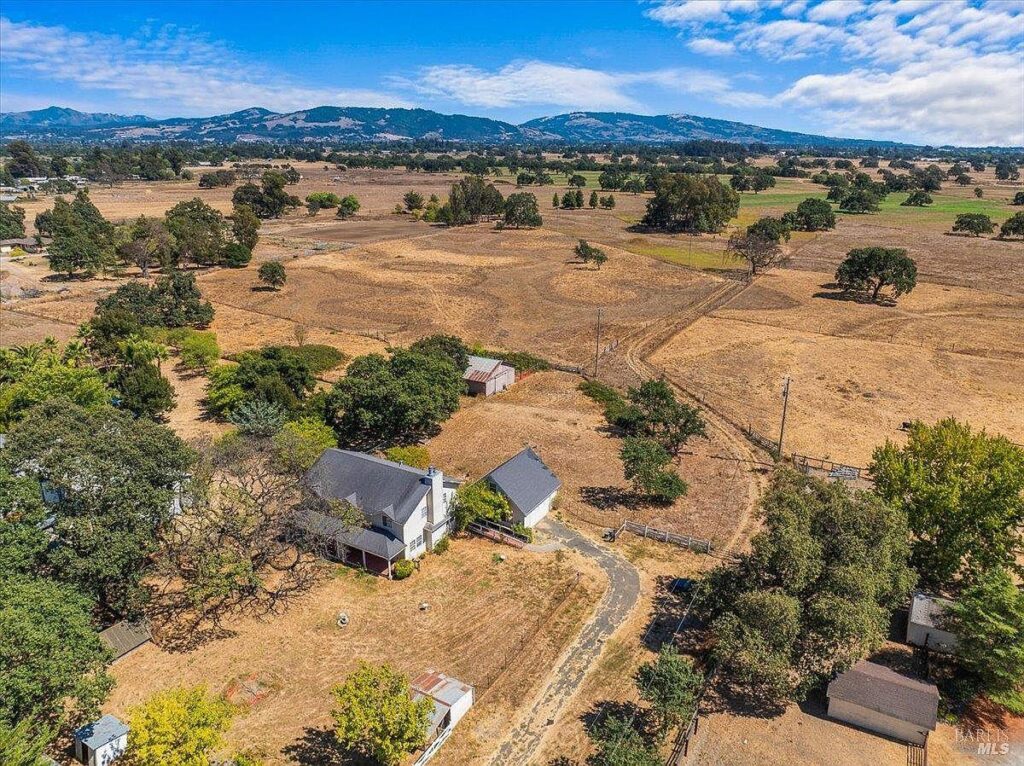
There’s something special about having more space. Larger lots, open views, room for a garden, RV parking, animals, workshops, or simply a little more privacy can make rural property especially appealing to homebuyers looking outside the traditional neighborhood setting.
For buyers considering acreage or rural property near Galt, California, however, there’s more to evaluate than the house itself. Properties outside established neighborhoods can come with different considerations involving utilities, zoning, access, maintenance, and future improvements.
If you’re thinking about purchasing rural property near Galt, here are some important things to know before making an offer.
1. Understand the Property’s Zoning
One of the first things to investigate is how the property is zoned.
A larger lot doesn’t automatically mean you can use the property for whatever you have in mind. Zoning regulations can affect whether you can have certain animals, build additional structures, operate a business, add an accessory dwelling unit (ADU), subdivide the property, or use the land for agricultural purposes.
Before purchasing, determine the current zoning and verify that your intended use is permitted.
Tip: If your plans involve adding a shop, barn, ADU, guest house, additional dwelling, or other structure, investigate the requirements before assuming the project will be allowed.
2. Check How the Property Gets Its Water
Water is an important consideration when purchasing rural property.
While many traditional neighborhoods are connected to municipal water systems, rural properties may rely on a private well or another water source.
If the property has a well, buyers should investigate:
- Whether the well is currently operational
- Well production and water availability
- Recent well inspections or testing
- Water quality
- The age and condition of the well equipment
- Whether neighboring properties share a well or water system
A home inspection is important, but rural properties often require additional due diligence beyond a standard residential inspection.
3. Don’t Forget About Septic Systems
Some rural properties aren’t connected to a municipal sewer system and instead use a private septic system.
If you’re buying a home with septic, understand where the system is located, how it operates, and whether it has been properly maintained.
You may also want to determine the age of the system and whether the property has any documentation regarding previous inspections, pumping, or repairs.
If you’re considering expanding the home or adding another structure, septic capacity can become particularly important.
4. Investigate Electricity and Other Utilities
Rural properties can have different utility setups than homes in established subdivisions.
Ask questions about:
- Electricity service
- Propane or natural gas
- Internet availability
- Septic systems
- Well water
- Solar systems
- Backup generators
Internet access deserves special attention if you work from home. Service that is adequate for occasional browsing may not be sufficient for video calls, remote work, or multiple users.
Don’t assume a service is available simply because a nearby property has it. Verify what’s actually connected to the property you’re considering.
5. Evaluate Road and Property Access
A beautiful rural property isn’t much help if getting there becomes a problem.
Determine whether the property is accessed from a public road or a private road. If private roads or shared driveways are involved, investigate who maintains them and whether there are recorded easements or maintenance agreements.
You should also consider:
- Road condition
- Drainage
- Seasonal accessibility
- Shared driveways
- Emergency vehicle access
- Easements
- Fencing and gates
Understanding access before purchasing can prevent unpleasant surprises later.
6. Think About the Cost of Maintaining More Land
Acreage can provide incredible freedom, but more land also means more responsibility.
Depending on the property, maintenance may include landscaping, fencing, tree care, irrigation, weed management, pest control, driveway maintenance, and other ongoing work.
Before buying, think realistically about how much time and money you’re willing to spend maintaining the property.
The right acreage property isn’t necessarily the one with the most land. It’s the one that fits your lifestyle and your ability to maintain it.
7. Consider What You Want to Build or Add
One of the biggest reasons buyers choose rural property is the potential to create something that wouldn’t be possible on a typical residential lot.
Maybe you want:
- A large workshop
- A detached garage
- A barn
- An ADU
- RV storage
- A garden or orchard
- Horse facilities
- Recreational space
- Additional parking
Before getting too attached to a particular property, investigate whether your plans are permitted and what approvals may be required.
Local zoning, building regulations, setbacks, septic capacity, utility requirements, and other restrictions can all affect what’s possible.
8. Look Beyond the Property Lines
When you’re buying acreage, you’re also buying into the surroundings.
Take a drive around the property and pay attention to neighboring land uses. Rural areas can include agricultural operations, livestock, orchards, equipment, wells, irrigation systems, and other activities that may not be common in a traditional subdivision.
Think about what the area could look and feel like throughout the year—not just on the day you tour the property.
9. Review Flood, Fire, and Other Property Risks
Rural properties can have different environmental considerations than properties in developed neighborhoods.
Depending on the location, buyers may want to investigate potential flood risks, wildfire exposure, drainage, trees, soil conditions, and other factors.
Insurance should also be considered early in the process. Don’t wait until you’re close to closing to find out that a particular property has insurance considerations you weren’t expecting.
10. Get the Right Inspections and Do Your Due Diligence
A rural property may require more investigation than a standard residential property.
In addition to a general home inspection, buyers may want to consider specialized inspections or evaluations for items such as:
- Well and water quality
- Septic systems
- Pools
- Outbuildings
- Roofs and large structures
- Electrical systems
- Trees
- Pest conditions
- Agricultural features
The appropriate inspections will depend on the property and your intended use.
Is Rural Property Near Galt Right for You?
For the right buyer, rural property near Galt can offer something that’s increasingly difficult to find: space, privacy, flexibility, and the opportunity to create a property that fits your lifestyle.
Whether you’re looking for a few acres, room for animals, a workshop, RV access, agricultural potential, or simply more breathing room, rural properties can offer possibilities that traditional neighborhoods may not.
But acreage comes with additional considerations. Understanding zoning, utilities, access, maintenance, and the property’s overall condition before purchasing can help you make a more informed decision.
Thinking About Buying Rural Property Near Galt?
If you’re considering acreage or rural property in Galt, Acampo, Lodi, Wilton, Herald, or the surrounding area, working with a real estate professional familiar with the local market can help you identify the questions that need to be answered before you move forward.
At Parker Realty, we believe buying a property is about more than finding a house you love. It’s about understanding the property, the community, and the opportunities—and making a decision that works for you.
Thinking about making a move to the country? Contact Parker Realty to start exploring rural properties in the Galt area.


